
Article Sharing
- Home
- Shares
- OEM Knowledge
- How Are Skincare OEM Costs Calculated? Understanding MOQ Pricing and Small-Batch Manufacturing
How Are Skincare OEM Costs Calculated? Understanding MOQ Pricing and Small-Batch Manufacturing
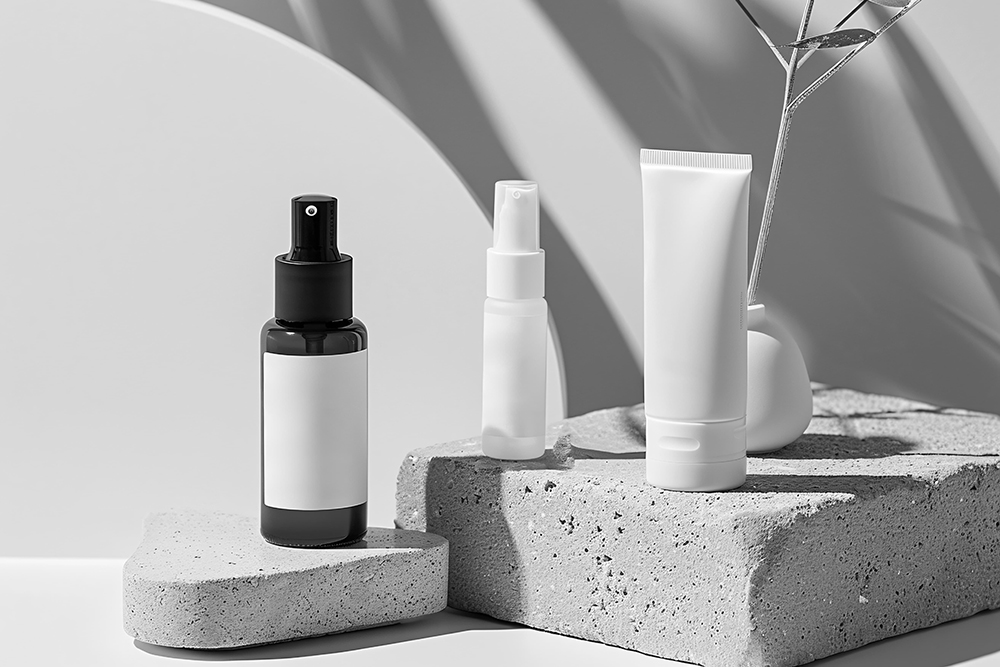
If you are planning to develop your own skincare brand, the most common first questions are: “How much does OEM manufacturing cost?”, “How does MOQ pricing work?”, and “Is small-batch production possible?” Prices can range from tens of thousands to millions, depending on key factors such as formulation, packaging, MOQ (Minimum Order Quantity), production scale, and regulatory costs.
This article will guide you through the cost structure of skincare OEM manufacturing, pricing factors, MOQ requirements, small-batch production options, and practical ways to control your budget—helping brands make informed decisions from the very beginning.
I. Overview of Skincare OEM Manufacturing Models
1. OEM – Original Equipment Manufacturer
OEM means the brand provides its own formulation and design, while the manufacturer is responsible for production and filling. The brand maintains control over ingredients, raw materials, quantities, packaging, and quality, while the factory supplies equipment, labor, and manufacturing expertise. This model is ideal for brands with existing formulations or R&D capabilities but without production facilities, allowing them to maintain product uniqueness and formula confidentiality while avoiding the cost and risk of building their own factory.
Key features:
- High brand control
- Strong product differentiation
- No need to build production lines or equipment
2. ODM – Original Design Manufacturer
ODM provides a one-stop service from formulation development and packaging design to final production. The brand only needs to define product direction, claims, or market positioning, and the manufacturer completes the entire development process. This model is ideal for startups, brands without R&D teams, or businesses seeking faster time-to-market. R&D and design costs are usually included in the quotation, though exclusive formulas may require separate authorization or customization agreements.
Key features:
- Complete one-stop service with high efficiency
- Ideal for first-time brand founders or companies without R&D experience
【Related Reading】 7 Tips for Choosing the Right Skincare OEM/ODM Factory
【Related Reading】 3 Essential Factors for Skincare OEM/ODM Manufacturing
II. What Are the Costs of Skincare OEM Manufacturing? Six Major Cost Components
Although pricing details vary by manufacturer, the main cost structure generally includes the following six components:
1. Formula Development and Sampling
Formula development is the first and most critical step in skincare OEM manufacturing. Brands should clearly define their target audience (gender, age, skin type) and product claims such as moisturizing, brightening, or anti-aging. Clear positioning allows manufacturers to focus R&D efforts, effectively controlling development time and cost.
2. Raw Material Costs
Material costs depend on ingredient grade, source, and concentration. Imported, organic, or patented active ingredients (such as hyaluronic acid or botanical extracts) significantly increase costs. More complex formulas and higher concentrations lead to higher OEM pricing. Brands are advised to balance budget considerations with marketing value when selecting ingredients.
3. Manufacturing and Production Costs
Production and packaging costs include labor, equipment operation, quality control, and packaging materials. Larger production volumes generally reduce unit costs. Manufacturing complexity also affects processing fees, making batch size planning crucial for cost efficiency.
4. Quality Testing and Regulatory Documentation
Before mass production, skincare products must undergo multiple quality tests such as pH, viscosity, microbiological testing, heavy metal analysis, stability testing, efficacy testing, and ingredient verification. Regulatory requirements also include preparing PIF documentation, product registration, and safety assessment reports. Additional specialized testing may incur extra fees.
5. Packaging and Container Costs
Packaging is a major cost factor, including bottles, caps, pumps, labels, and printing. Costs vary by material, design complexity, and order quantity. Plastic containers are generally more affordable than glass, while custom molds may cost tens to hundreds of thousands. Taiwan Mei Wang recommends suitable materials based on product texture and formulation and conducts compatibility and stability testing to ensure safety.
6. Outer Packaging and Printing Costs
Outer boxes and printing play a vital role in brand image, covering cartons, labels, and instruction leaflets. Design style, materials, and printing techniques directly impact cost and production flow. Packaging must also comply with regulatory requirements, clearly displaying manufacturing information, ingredients, and expiration dates.
III. How Is MOQ Pricing Calculated? Why Is Minimum Order Quantity Required?
1. What Is MOQ and How Is It Determined?
MOQ (Minimum Order Quantity) refers to the minimum batch size required for production. In cosmetic OEM/ODM manufacturing, MOQ is a key factor influencing cost and production planning. Different product types (creams, serums, shampoos) and functional requirements directly affect MOQ and pricing accuracy.
2. Why Do Cosmetic Manufacturers Set MOQ Requirements?
MOQ is not only about cost—it is essential for production safety and quality stability. Many skincare products require sufficient batch volume to ensure proper mixing, homogenization, and emulsification.
Insufficient batch volume may result in:
- Uneven texture
- Ingredient separation
- Unstable viscosity
- Reduced shelf stability
Therefore, MOQ ensures consistent quality, stability, and production efficiency.
IV. How to Reduce Skincare OEM Costs: Two Key Adjustable Factors
1. Optimize Packaging Rather Than Sacrificing Formula Quality
To reduce costs, it is recommended to optimize packaging instead of weakening the formulation. Product efficacy drives reputation and repeat purchases. Packaging design offers greater flexibility for cost control without compromising performance.
2. Choose an Appropriate MOQ Batch Size
For limited budgets, small-batch production (e.g., 100–500 kg) can reduce inventory risk and accelerate market testing. However, batch size must still meet production safety standards to ensure stable emulsification and viscosity.
For brands planning mass production, increasing MOQ typically lowers unit costs. Brands should choose MOQ levels based on budget, positioning, and sales strategy.
V. From R&D to Market Launch: Comprehensive Product Development Support
Taiwan Mei Wang operates GMP- and ISO22716-certified facilities, offering complete OEM/ODM manufacturing services. From formulation development and stability testing to packaging consultation and regulatory registration, we support brands at every stage—whether you are a startup or an established company launching a new product line.
If you are planning new products or evaluating costs, feel free to contact us. We provide transparent, practical recommendations tailored to your budget, market goals, and product positioning. We aim to be your long-term development partner—from concept to successful market entry.
Contact us to create your next hero product
VI. Frequently Asked Questions (FAQ)
Q1: Is small-batch skincare OEM manufacturing possible?
Taiwan Mei Wang actively supports startup brands and offers small-batch cosmetic manufacturing services. Actual quantities depend on product type, process requirements, and packaging conditions. Please contact us for a detailed evaluation.
Q2: What is the minimum order quantity for skincare OEM manufacturing?
Our MOQ typically starts from 100–500 kg, depending on product type, ingredient grade, and functional requirements. Packaging components such as bottles, pumps, tubes, and cartons each have their own MOQ, which also affects total cost. Contact us for a customized MOQ assessment and quotation.
- About Maywan, the persistence in producing safe products
- Analysis of the Causes of Hair Loss and Hair Care Trends During Seasonal Changes: How Should Brands Develop Anti-hair Loss Products?
- 2025 Hong Kong Beauty Expo (Cosmoprof Asia) | Post-Expo Highlights Summary
- 【A Must-Save Guide for Startups】Skincare OEM Factory Collaboration Guide|Prepare These 5 Things for Smoother Product Development!
- 3 essential key points for OEM/ODM skincare products! OEM skincare factory products and experience are crucial
- Learn about the quality inspection of skincare products from R&D, production to market launch in just three minutes!
- What are Surfactants? A Professional Analysis of SLS, SLES, and Mild Amino Acid Formulations: A Cosmetic Contract Manufacturing Perspective
- What certification systems are there for cosmetics manufacturing? Learn about ISO 22716 and Taiwan's voluntary cosmetics GMP in seconds