
Article Sharing
- Home
- Shares
- Ingredients
- Anti-hair Loss Product Formula Analysis: Three Popular Non-medicinal Hair Care Ingredients Recommended
Anti-hair Loss Product Formula Analysis: Three Popular Non-medicinal Hair Care Ingredients Recommended
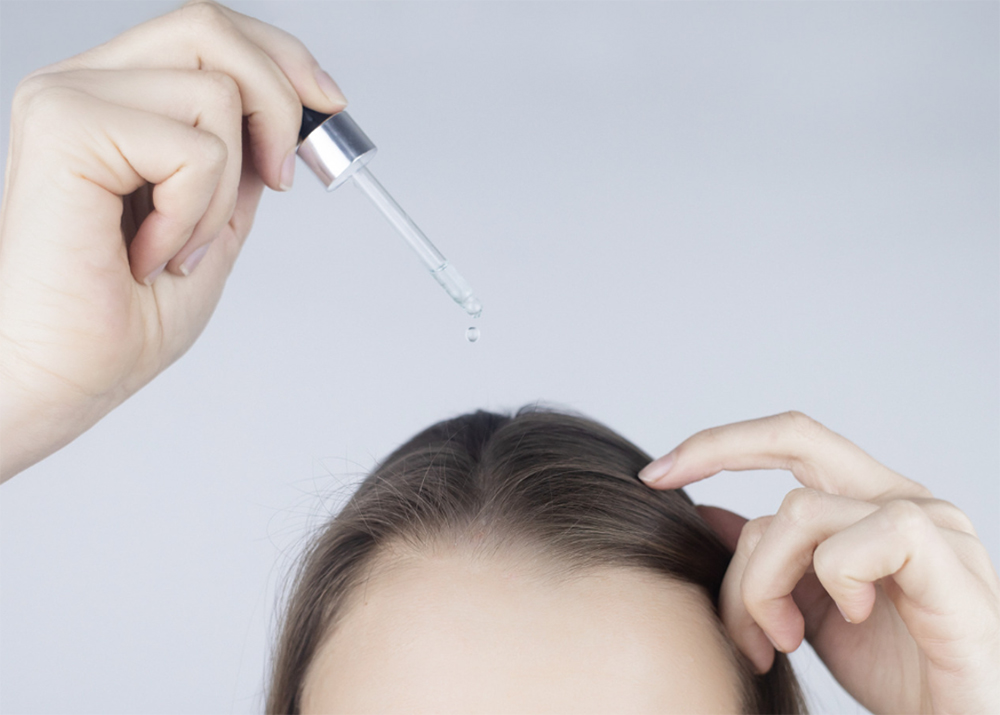
With scalp health awareness rapidly increasing in the market, hair loss and hair care are no longer just medical issues but essential components of daily skincare routines. More and more brands are investing in anti-hair loss product research and development, moving from traditional medicinal treatments to non-medicinal care.
This article will explain the differences between medicinal and non-medicinal formulas and introduce three popular non-medicinal hair care ingredients, helping brands find effective and safe R&D strategies.
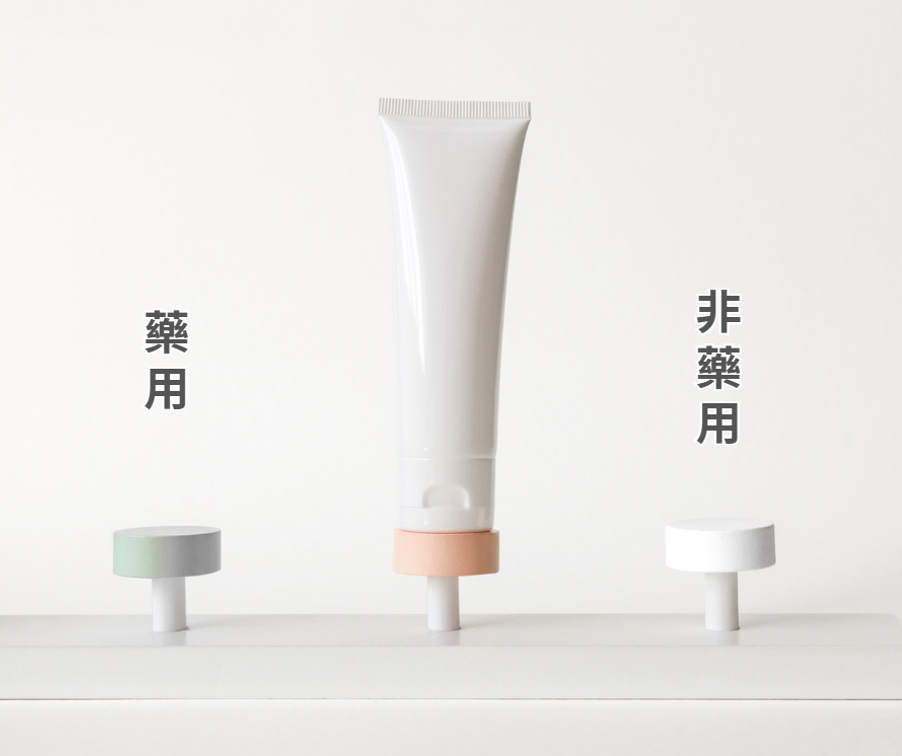
1. The Difference Between Medicated and Non-Medicinal Anti-Hair Loss Formulas
When developing hair loss or hair care products, understanding the difference between "medicated" and "non-medicated" formulas is the first step in brand product planning.
Medicated formulas (such as Minoxidil) are highly effective, but are unsuitable for skincare applications due to regulatory constraints and the risks of long-term use. In contrast, non-medicated formulas, based on botanical actives, peptides, and fermentation technology, can mimic these mechanisms, stabilize the scalp environment, and maintain long-term safety.
The following table summarizes the key differences and application characteristics of these two types of products.This will help brands quickly identify market trends and development priorities when developing hair loss prevention or hair care products.
| Categories | Medicinal Anti-Hair Loss Formulas | Non-medicinal Anti-Hair Loss Formulas |
|---|---|---|
| Representative Ingredients | Minoxidil | Plant-derived active ingredients, biomimetic peptides, fermentation extract |
| Mechanism of Action | Promotes scalp microvascular dilation, improves oxygen supply to hair follicles, and prolongs the growth phase | Inhibits 5-alpha-reductase, increasing ECM synthesis to strengthen hair follicle structure, prolonging the growth phase and maintaining a healthy scalp environment</br /> (Inhibits DHT, promotes microcirculation, and strengthens hair follicle structure) |
| Main Uses | Physician- and pharmacist-directed medication</br /> For temporary or hereditary hair loss. | Scalp care and daily maintenance product. Suitable for both men and women. |
| Safety Considerations | May cause dryness, itching, scaling, and irritation. | Mild, hypoallergenic ingredients suitable for long-term use. |
| Product Applications | Rogaine Hair Growth Solution, Prescription Products | Shampoo, Hair Serum, Ampoules, Scalp Spray, etc. |
Three Advantages of Non-Medicinal Formulas:
- High Safety: No prescription required, suitable for daily use by both men and women.
- Flexible Application: Can be extended to shampoo, serum, ampoule, spray, and other forms.
- Strong Market Flexibility: Complies with international cosmetic regulations, suitable for export and brand expansion.
With the rise of the "scalp skinification" trend, professional scalp care formulas, professional skincare formulas, and functional formulas are becoming key mainstream brands in building professionalism and consumer trust.
II. Introduction to Three Popular Functional Hair Care Ingredients

1. Botanical Compound Formula | Conditions the Scalp × Strengthens Hair Roots
Combining multiple plant extracts, this formula balances sebum and soothes scalp micro-inflammation, while strengthening hair root structure and reducing seasonal and stress-related hair loss. Natural, safe, and long-lasting, it's a popular hair care formula currently adopted by brands.
Applications: Anti-hair loss shampoo, scalp conditioning lotion, daily hair care series
Market appeal: Balances the scalp environment × Strengthens hair roots × Gently prevents hair loss

2. Bionic peptide formula | Extends the growth phase × Strengthens hair follicle anchoring
Using "bionic peptide × Focusing on "phyto-active" properties, it inhibits 5-alpha-reductase to promote hair follicle activation and circulation, prolonging the hair growth phase and stabilizing the follicle structure. With both clinical support and safety, it is suitable for the development of high-performance scalp care products.
Applications: Hair care essence, ampoules, strengthening care series
Market appeal: Activate hair follicles, extend the growth period, and scientifically prevent hair loss. 
3. Multi-strain fermentation formula | Repairs the scalp and balances the microbiome
Utilizing 16-bacteria symbiotic fermentation technology, this formula is rich in amino acids, organic acids, and polysaccharides, which can repair the scalp barrier, stabilize the sebum membrane, and maintain a balanced microbiome. It is especially suitable for people with dry and sensitive scalps, and is an important representative of the "scalp skinification" trend.
Applications: Soothing Shampoo, Scalp Repair Spray, Sensitive Scalp Series
Market Demand: Soothes dryness and itchiness × Repairs the hair barrier × Balances the microbiome

III. From Ingredient R&D to Brand Implementation: Complete Support for Creating Customized Anti-Hair Loss Formulas
Leveraging years of OEM/ODM experience, Taiwan's Meiwang skincare OEM factory integrates international raw material databases, clinical testing, and regulatory management capabilities to help brands establish market advantages from the R&D stage. We use high-quality ingredients sourced from world-class manufacturers to ensure each formula is pure, safe, and effective. From market trend analysis and ingredient recommendations to product testing and mass production implementation, Meiwang provides one-stop formula development services to help brands create truly differentiated product lines.
✨ Want to develop your own exclusive hair loss prevention/hair care products?
Book an appointment to discuss and work with us to create the next market sensation.
- Grasping the new trend of exosomes: Applications and business opportunities of plant vesicles in skincare OEM/ODM
- Beauty and skincare trends, let's take a look at the mainstream ingredient analysis!
- Is silicone-free the only option? Understanding silicone and debunking the biggest controversy in beauty products
- Back to skincare basics: the golden hydration combo that makes ingredients work better together