

Article Sharing
- Home
- Shares
- OEM Knowledge
- Analysis of the Causes of Hair Loss and Hair Care Trends During Seasonal Changes: How Should Brands Develop Anti-hair Loss Products?
Analysis of the Causes of Hair Loss and Hair Care Trends During Seasonal Changes: How Should Brands Develop Anti-hair Loss Products?
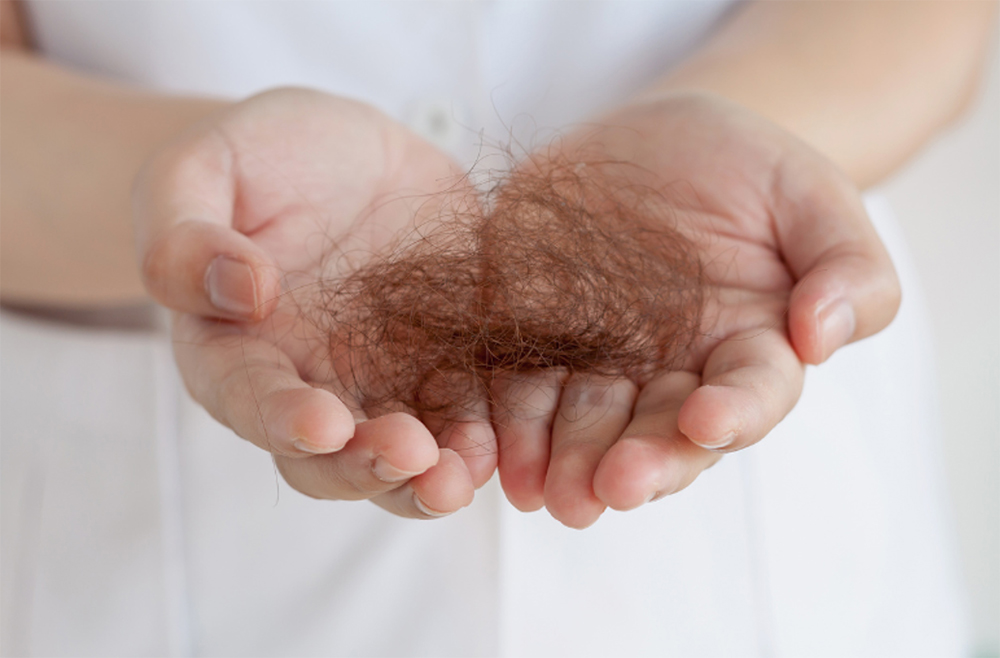
Every year with the transition from autumn to winter, many consumers noticeably experience hair loss.
According to Google keyword search data, related terms such as "hair loss," "hair loss," and "hair care" all showed an upward trend in the fourth quarter. A long-term observation from 2015 to 2025 also shows a steady increase in overall search interest, indicating that consumer interest in scalp health and hair loss prevention products has shifted from short-term concerns to a sustained demand for long-term maintenance and hair root strength.
For brands and R&D, this isn't just a seasonal phenomenon; it's a long-term shift in consumer mindset—from "solving hair loss" to "focusing on scalp health."
September to November each year is peak demand, making it not only the time when consumers are most sensitive and concerned about hair loss, but also the perfect time for brands to launch hair loss prevention and hair care products and capture market attention.
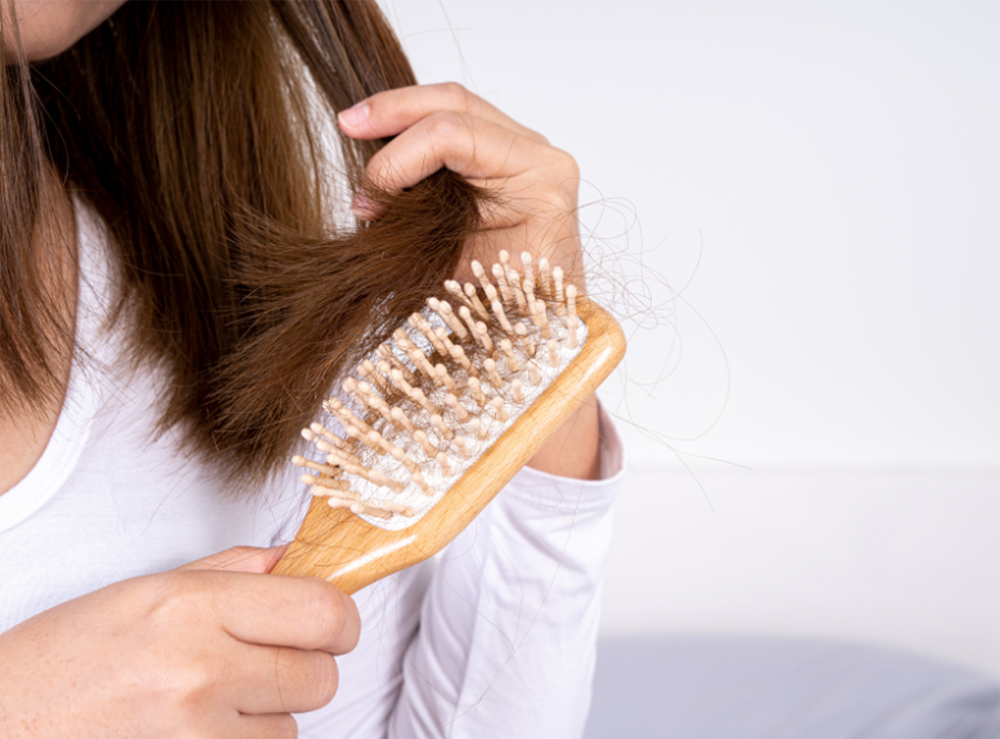
1. What causes hair loss? Analyzing Seasonal Scalp Changes and the Mechanism of Hair Loss
From a medical and market perspective, hair loss isn't caused by a single factor. Seasonal changes, diet, and lifestyle changes can impact scalp sebum and microcirculation, leading to unstable nutrition for hair follicles and loosening of the hair root structure, resulting in severe hair loss.
- Dry and cold autumn and winter weather: Sebum production decreases, scalp barrier becomes damaged
- Hot and muggy summer weather: Sebum production increases, easily leading to clogged pores and inflammation
When the environment and metabolism are out of balance, the hair's growth phase shortens and its resting phase increases. Combined with stress or unhealthy lifestyle habits, this can lead to both seasonal hair loss and hair loss, resulting in an unbalanced scalp environment and atrophied hair follicles.
Consumers' demands for scalp products change with the seasons:
- Autumn and winter preferences: Moisturizing and repairing + soothing and dryness relief
- Spring and summer preferences: Refreshing and oil-control + anti-inflammatory and balancing
These differences allow brands to adjust formula ratios and product claims based on climate and scalp conditions, making their hair loss prevention and care lines more tailored to actual needs.
Postpartum hair loss is also a common temporary hair loss problem for women. Due to hormonal changes, hair enters its resting phase, typically two to four months after childbirth and naturally recovers after several months. During this period, the scalp is prone to dryness and sensitivity. Therefore, it is recommended to use gentle, nourishing, non-medicated skincare products to help repair hair follicles and maintain scalp health.

II. Shift in Consumer Behavior: From Hair Loss Prevention to Scalp Health
According to research by Mintel, McKinsey, and others, the use of conditioners, essential oils, hair masks, and scalp care products continues to rise. Consumers are willing to invest in "holistic care" and are gradually adopting a multi-step skincare routine similar to their facial routines. This "skinification of hair care" approach has officially ushered scalp care products into a functional and precision-focused phase.
Three major consumer trends are emerging simultaneously in the market:
- Evidence-driven efficacy: Emphasis on clinical data, dermatological endorsements, and visual results.
- Integrated care: Comprehensive care combining topical serums and nutritional supplements.
- Emotional well-being connection: Women, in particular, view hair care as a "stress-relieving ritual," pursuing a sense of pleasure and self-care.
These trends indicate that hair loss prevention products have evolved from a "functional solution" to an "extension of lifestyle and well-being." With this shift in consumption, when "anti-hair loss" is no longer just a functional demand but a symbol of health and confidence, the competitiveness of a brand comes from its ability to combine "science and maintenance". This is precisely why many brands seek cooperation with professional OEM factories - to find the most precise product balance between technology and market insights.
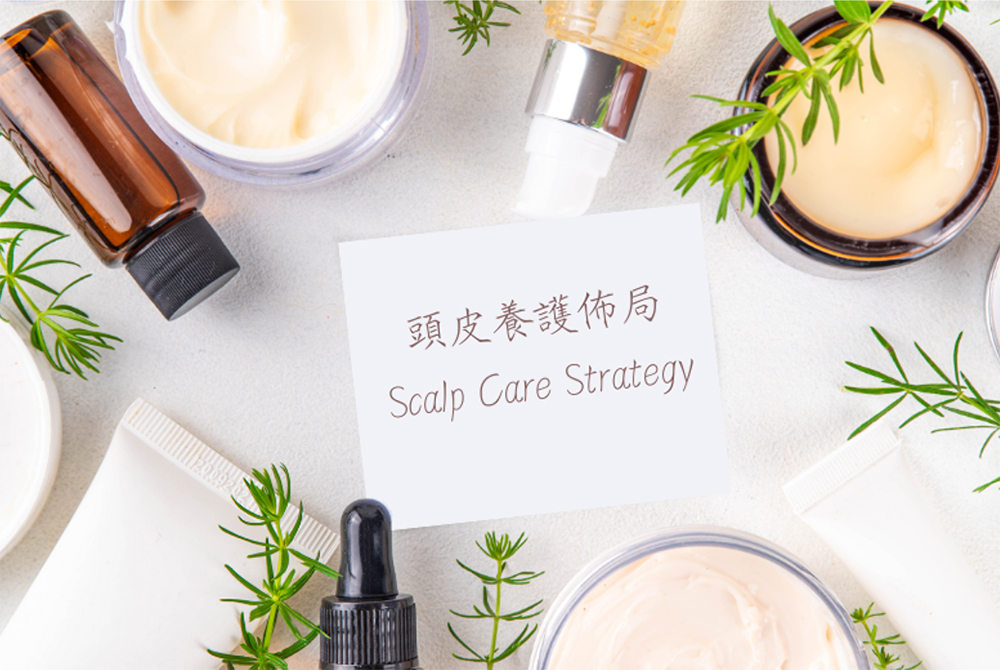
III. Brand Strategy and R&D Perspectives: Comprehensive Planning from Hair Loss Prevention to Scalp Care
To seize the opportunities in hair loss and hair care, brands must possess both market insight and R&D capabilities.
Product line recommendations can be categorized as follows:
- Basic Cleansing Layer: Amino acids gently cleanse and maintain sebum balance.
- Strengthening Conditioning Layer: Promotes structural stability and healthy cuticles at the hair root.
- Soothing Repairing Layer: Designed with a mild, moisturizing formula for sensitive scalps.
As a professional skincare OEM/ODM provider, we can help brands strengthen their product competitiveness through R&D:
- Formulation System Design: Utilizes mild surfactants to balance cleansing power and scalp tolerance.
- Scalp Balancing Strategy: Focuses on microbiome conditioning to reduce oiliness and inflammation.
- Clinical and Regulatory Verification: Ensures product compliance with international standards, ensuring safety and long-term stability.

V. Conclusion: From Skincare OEM/ODM Partner to R&D Consultant, Collaborating with Brands to Create Competitiveness
In a market where the issues of hair loss and hair care continue to heat up, brands face more than just product development challenges. They also need to strike the optimal balance between safety, efficacy, and regulatory requirements, while building consumer trust through consistent and reliable quality.
Taiwan Meiwang is not only a contract manufacturing partner, but also a brand's R&D consultant and strategic backer. Even if you haven't yet finalized your product direction or concept, we can assist you from conception, design, testing, to mass production based on market trends and formulation logic, creating a product that is both scientifically proven and market-competitive.
✨ Want to develop your own exclusive anti-hair loss/hair care product?
Call us today to schedule a meeting and create the next market sensation together.
- Compliance with skincare OEM/ODM manufacturers can vary widely! Two essential principles for choosing a manufacturer
- What are Surfactants? A Professional Analysis of SLS, SLES, and Mild Amino Acid Formulations: A Cosmetic Contract Manufacturing Perspective
- About Maywan, the persistence in producing safe products
- Learn 7 tips for choosing an OEM/ODM factory for skincare products! Learn more about the skincare product OEM service process
- Analysis of the Latest Haircare and Scalp Care Trends: Salon-Grade Shampoo ODM & OEM/ODM Scalp Care Development Guide
- What certification systems are there for cosmetics manufacturing? Learn about ISO 22716 and Taiwan's voluntary cosmetics GMP in seconds
- How Are Skincare OEM Costs Calculated? Understanding MOQ Pricing and Small-Batch Manufacturing
- 2025 Hong Kong Beauty Expo (Cosmoprof Asia) | Post-Expo Highlights Summary